
Call: 07971459152
 Send Inquiry
 Send Inquiry
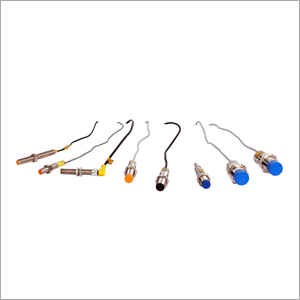
Temperature Sensors
MOQ : 100 Pieces
Temperature Sensors Specification
- Cable Length
- 1.5 Meter
- Measurement Range
- -50C to 500C
- Response Time
- 5 sec
- Mounting Type
- Threaded / Flange
- Sensor Type
- RTD, Thermocouple, NTC
- IP Rating
- IP65
- Signal Type
- Resistance/ mV
- Interface
- 2/3 Wire Connection
- Application
- Industrial, HVAC, Laboratory, Food Industry
- Operating Temperature
- -40C to +125C
- Sensitivity
- High
- Features
- Corrosion Resistant, Robust Design, Easy Installation
- Wireless
- No
- Power Consumption
- <2W
- Product Type
- Sensors
- Material
- Stainless Steel
- Input
- Thermal
- Output
- Analog/ Digital
- Function
- Temperature Detection and Measurement
- Usage
- Temperature Measuring
- Accuracy
- 0.5C
- Resolution
- 0.01C
- Voltage
- 110-220 Volt (v)
- Weight
- 50-300 Grams (g)
- Storage Temperature
- -50C to 150C
- Compliance
- CE, RoHS
- Insulation Resistance
- >100M at 500VDC
- Probe Length
- Customizable as per requirement
- Cable Type
- Teflon/ PVC/ Silicone
- Vibration Resistance
- High
- Sheath Diameter
- 6mm/8mm/Customized
- Long-term Stability
- <0.1C/year
- Connector Type
- Screw Terminal / Plug
- Enclosure Material
- ABS Plastic / Die Cast Aluminum
Temperature Sensors Trade Information
- Minimum Order Quantity
- 100 Pieces
- Supply Ability
- Piece
- Delivery Time
- 1 Week
- Main Domestic Market
- All India
About Temperature Sensors
Inspired by the positive response from our clients, we have been committed to manufacture, supply and export quality assured Temperature Sensors. Our offered sensors are designed and manufactured employing advanced technology in order to meet the international quality standards. We are offering these sensors in various sizes, models and grades as demanded by the clients. Our offered sensors are widely used in steel industry. With the help of our reliable logistics personnel, we assure secure shipment of these Temperature Sensors within the time specified.
Various attributes:
- Low power consumption
- Accurate results
- High quality
- Seamless finish
Product details
|
Size |
M18, M30 |
|
Cable |
2 m |
|
Block Type |
C Type |
|
Voltage |
10 - 30 V DC |
|
Ambient Temperature |
-25 Deg C To 70 Deg C |
|
Max Load Current |
50 Amp |
|
Switching Frequency |
1.5 KHz |
Customizable Design for Diverse Applications
These temperature sensors feature customizable sheath diameters, probe lengths, enclosure materials, and connector types, enabling seamless integration into a variety of industrial, laboratory, HVAC, and food industry settings. The flexible options cater to specific installation and operational requirements.
Reliable Performance in Extreme Conditions
With an operating temperature range of -40C to +125C, storage temperature from -50C to 150C, and an IP65 rating, these sensors are built to withstand harsh environments. Their high vibration resistance, robust construction, and corrosion-resistant stainless steel ensure dependable measurement performance over time.
High Accuracy and Stability
Designed for precise temperature monitoring, these sensors offer an accuracy of 0.5C, a resolution of 0.01C, and long-term stability of less than 0.1C per year. They provide analog or digital outputs and support RTD, Thermocouple, and NTC sensor types for versatile temperature detection needs.
FAQs of Temperature Sensors:
Q: How can I customize the sheath diameter and probe length of these temperature sensors?
A: You can specify the sheath diameter (6mm, 8mm, or as per your requirement) and probe length during the ordering process. Our manufacturing team will tailor the sensor dimensions to fit your specific installation needs.Q: What are the main benefits of using temperature sensors with stainless steel construction and robust enclosures?
A: Stainless steel provides excellent corrosion resistance and durability, while ABS plastic or die cast aluminum enclosures protect the internal components. This robust design ensures reliable operation even in demanding industrial and outdoor environments.Q: Where are these temperature sensors typically used?
A: They are commonly used in industrial automation, HVAC systems, laboratories, the food industry, and other settings where precise temperature measurement is critical. Their versatility and customization options make them suitable for a broad range of applications.Q: What is the process for installing these sensors, and are they easy to mount?
A: These sensors feature threaded or flange mounting types, which enable straightforward and secure installation. The screw terminal or plug connectors allow for simple and rapid wiring, reducing installation time and effort.Q: How accurate and stable are these temperature sensors over long periods?
A: The sensors deliver a high accuracy of 0.5C and an exceptional long-term stability of less than 0.1C per year, ensuring consistent and precise temperature readings over extended operating durations.Q: What types of output signals do these sensors support, and what are the interfacing options?
A: The sensors provide both analog and digital outputs and support 2/3 wire connections. Signal types include resistance and millivolt (mV), making them compatible with a wide variety of monitoring and control systems.Q: When should I choose a Teflon, PVC, or Silicone cable for my application?
A: The selection depends on your application requirements: Teflon cables are ideal for high-temperature and chemical-resistant applications, PVC for general-purpose use, and silicone for flexibility at low temperatures or in environments demanding high resilience.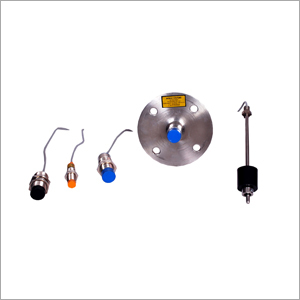
Tell us about your requirement

Price:
Quantity
Select Unit
- 50
- 100
- 200
- 250
- 500
- 1000+
Additional detail
Mobile number
Email

More Products in Industrial Sensors Category
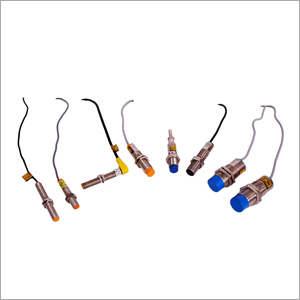
Float Type Sensors
Minimum Order Quantity : 100 Pieces
Usage : Position Sensing
Material : Metal
Voltage : 1030VDC Volt (v)
Product Type : Sensors
Weight : 20150 Grams (g)
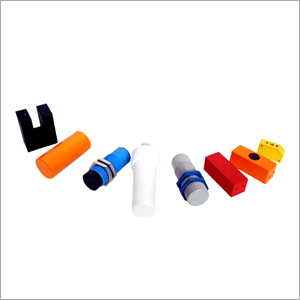
RTD Sensors
Minimum Order Quantity : 100 Pieces
Usage : Temperature Measuring
Material : Plastic
Voltage : 110220 Volt (v)
Product Type : Sensors
Weight : 120 g
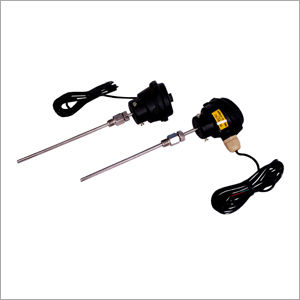
Proximity Sensors
Minimum Order Quantity : 100 Pieces
Usage : Metal Sensing
Material : Stainless Steel
Voltage : 220 Volt (v)
Product Type : Sensors
Weight : 100500 Grams (g)
Inductive Proximity Sensors
Minimum Order Quantity : 10 Pieces
Usage : Position Sensing
Material : Metal
Voltage : 1030VDC Volt (v)
Product Type : Proximity Sensors
Weight : 20100 Grams (g)

Contact Details
AKSHAY SYSTEMS
GST : 27AHNPR5613G1Z2
- 1st Floor, Devidas Niwas, Saptashrungi Hsg. Soc., Rupeenagar, Talwade, Pune - 411062, Maharashtra, India
- Phone :07971459152
 Send Inquiry
Developed and Managed by Infocom Network Private Limited.
