
Call: 07971459152
 Send Inquiry
 Send Inquiry
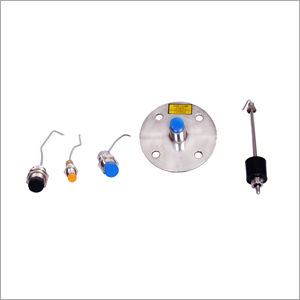
Electronic Sensors
MOQ : 100 Pieces
Electronic Sensors Specification
- Signal Type
- Digital
- Response Time
- <1 ms
- Operating Temperature
- -25C to 70C
- Mounting Type
- Flush Mount
- Features
- Waterproof, Dustproof, Shock Resistant
- Power Consumption
- Low
- Measurement Range
- 0-10 mm
- Sensitivity
- Adjustable
- Sensor Type
- Inductive Proximity Sensor
- Wireless
- No
- Application
- Automatic Control Systems, Industrial Sensing, Security Devices
- Interface
- 3-wire DC
- Cable Length
- 2 meters
- IP Rating
- IP67
- Product Type
- Sensors
- Material
- High Durability Plastic and Metal
- Input
- Electric Current
- Output
- Electrical Signal
- Function
- Detect and respond to electrical or physical signals
- Usage
- Metal Sensing
- Accuracy
- 99 %
- Resolution
- High Precision
- Voltage
- 110-220 Volt (v)
- Weight
- 50-300 Grams (g)
- Output Configuration
- NPN/PNP
- Housing
- Cylindrical
- Frequency
- 500 Hz
- Connection Type
- Wired
- Ambient Humidity
- 35% to 95% RH
- Indicator
- LED Status Indicator
- Polarity Protection
- Yes
- Switching Distance
- Adjustable
Electronic Sensors Trade Information
- Minimum Order Quantity
- 100 Pieces
- Supply Ability
- Piece
- Delivery Time
- 1 Week
- Main Domestic Market
- All India
About Electronic Sensors
Noted among the top most organization, we are engaged in manufacturing, supplying and exporting a wide range of Electronic Sensors. These sensors are manufactured in our infrastructure facility employing excellent production technology and modern testing apparatus that is highly appreciated by clients. Available in various sizes, grades and specifications, these sensors are highly demanded in the global market. Electronic Sensors are widely used for industrial, electrical and electronics applications.
Various characteristics:
- Longer functional life
- Superior finish
- Long lasting
- High performance
Product details
|
Brand |
Akshay Systems |
|
Sensing Distance |
2 - 12 mm |
|
Voltage |
10 To 30 V DC |
|
Frequency |
50 Hz |
|
Operating Temperature |
- 10 To 80 Deg C |
|
Tolerance |
2-3% |
Reliable Metal Detection for Industrial Environments
Engineered for robust performance, this inductive proximity sensor excels in detecting metallic objects with high precision. Its adaptable configuration and advanced features, such as polarity protection and IP67-rated enclosure, ensure consistent operation in challenging settings. Operators benefit from adjustable detection range and sensitivity, making this sensor ideal for real-time applications in automation and security.
Flexible Installation and Easy Integration
The flush mount design coupled with a 2-meter pre-attached cable streamlines sensor placement. Its 3-wire DC interface allows simple connection to a variety of automatic control systems. With both NPN and PNP output configuration choices, this sensor is compatible with numerous industrial PLCs and controllers, facilitating quick integration into existing infrastructures.
FAQs of Electronic Sensors:
Q: How does the inductive proximity sensor detect metal objects?
A: This sensor generates an electromagnetic field at its sensing face. When a metal object enters this field, it disrupts the field, triggering the sensor to produce an electrical signal. The sensitivity and detection distance are adjustable, allowing precise sensing within a 0-10 mm range.Q: What environments and industries are ideal for using this sensor?
A: The sensors IP67 rating, shock-resistant construction, and wide operating temperature range (-25C to 70C) make it suitable for harsh industrial environments. Typical applications include automated production lines, industrial machinery, security systems, and quality control processes.Q: When should I choose NPN or PNP output configuration?
A: Choose NPN or PNP output based on your control systems input requirements. NPN (sinking) is generally used with PLCs that require a ground-switching input, while PNP (sourcing) works with positive voltage-switching inputs. Always check your systems specifications before selection.Q: Where should this sensor be installed for optimal performance?
A: Install the sensor in proximity to the target metal objects, ensuring it is flush mounted and not obstructed. Position it within the adjustable 0-10 mm range from the sensing surface for best accuracy and avoid interference from non-metallic materials.Q: What benefits does the LED status indicator provide?
A: The built-in LED status indicator offers immediate visual feedback, confirming sensor operation and object detection. This feature aids in setup, ongoing monitoring, and troubleshooting, reducing downtime and improving maintenance efficiency.Q: How does polarity protection enhance sensor reliability?
A: Polarity protection guards the sensor against electrical damage caused by incorrect wiring, ensuring long-term reliable operation even in complex industrial installations.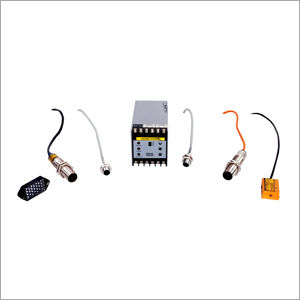
Tell us about your requirement

Price:
Quantity
Select Unit
- 50
- 100
- 200
- 250
- 500
- 1000+
Additional detail
Mobile number
Email

More Products in Industrial Sensors Category
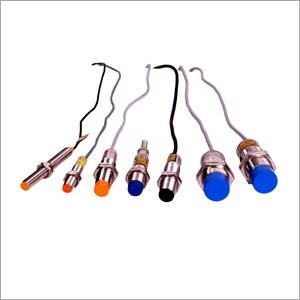
Optical Proximity Sensors
Minimum Order Quantity : 100 Pieces
Usage : Position Sensing
Product Type : Proximity Sensors
Weight : 20150 Grams (g)
Material : Metal
Voltage : 1030VDC Volt (v)
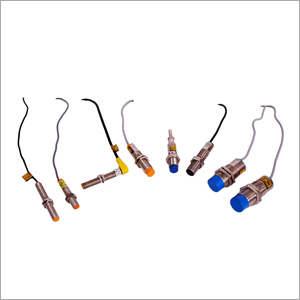
Float Type Sensors
Minimum Order Quantity : 100 Pieces
Usage : Position Sensing
Product Type : Sensors
Weight : 20150 Grams (g)
Material : Metal
Voltage : 1030VDC Volt (v)
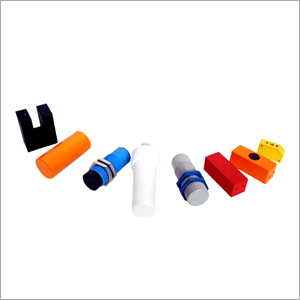
RTD Sensors
Minimum Order Quantity : 100 Pieces
Usage : Temperature Measuring
Product Type : Sensors
Weight : 120 g
Material : Plastic
Voltage : 110220 Volt (v)
Fork Sensors
Minimum Order Quantity : 100 Pieces
Usage : Metal Sensing
Product Type : Sensors
Weight : 50200 Grams (g)
Material : Brass
Voltage : 10 to 30 V DC Volt (v)

Contact Details
AKSHAY SYSTEMS
GST : 27AHNPR5613G1Z2
- 1st Floor, Devidas Niwas, Saptashrungi Hsg. Soc., Rupeenagar, Talwade, Pune - 411062, Maharashtra, India
- Phone :07971459152
 Send Inquiry
Developed and Managed by Infocom Network Private Limited.
