
Call: 07971459152
 Send Inquiry
 Send Inquiry
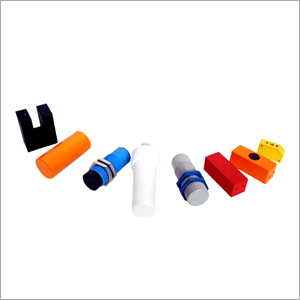
Optical Proximity Sensors
MOQ : 100 Pieces
Optical Proximity Sensors Specification
- Response Time
- <1 ms
- Power Consumption
- <1 W
- Sensor Type
- Optical (Photoelectric)
- Cable Length
- 2 m standard
- IP Rating
- IP67
- Mounting Type
- Panel or Bracket
- Operating Temperature
- -25C to +70C
- Sensitivity
- Adjustable
- Interface
- 3-wire DC
- Signal Type
- Digital
- Measurement Range
- 5 mm to 2 m
- Features
- Short-circuit Protection, Reverse Polarity Protection, LED Indicator
- Wireless
- No
- Application
- Automation, Robotics, Packaging Machinery, Conveyor Systems
- Product Type
- Proximity Sensors
- Material
- Metal
- Input
- DC Supply
- Output
- PNP/NPN, NO/NC
- Function
- Detection of Objects Without Physical Contact
- Usage
- Position Sensing
- Accuracy
- 1 mm
- Resolution
- 0.01 mm
- Voltage
- 10-30VDC Volt (v)
- Weight
- 20-150 Grams (g)
- Housing Type
- Cylindrical or Rectangular
- Storage Temperature
- -40°C to +80°C
- Light Source
- Infrared or Red LED
- Connection Type
- Cable or Connector
- Enclosure Material
- Nickel-Plated Brass / ABS
- Vibration Resistance
- 10-55 Hz, 1.5 mm double amplitude
- Detection Method
- Diffuse, Through-beam, Retro-reflective
- EMC Compliance
- IEC 60947-5-2
- Switching Frequency
- Up to 500 Hz
- Ambient Light Immunity
- Yes
Optical Proximity Sensors Trade Information
- Minimum Order Quantity
- 100 Pieces
- Supply Ability
- Piece
- Delivery Time
- 1 Week
- Main Domestic Market
- All India
About Optical Proximity Sensors
Taken quality as a prime concern, we have been committed to manufacture, supply and export an extensive range of Optical Proximity Sensors. To attain complete customer satisfaction, these sensors are designed and developed using high quality raw materials that are procured from certified vendors of the market. Our offered sensors are widely used to sense metals & non-metals materials. We are offering these Optical Proximity Sensors at most affordable prices that is highly appreciated by patrons
Striking features:
- Less maintenance
- Seamless finish
- Easy installation
- Energy efficiency
Product details
|
Sensing Distance |
2 - 12 mm |
|
Brand |
Akshay Systems |
|
Input Voltage |
20 to 132 V AC |
|
Surge Capacity |
3A/30 ms |
|
Temperature Range |
-40 to 70 Deg C (-40 to 158 Deg F) |
Versatile Sensing Solutions for Industrial Automation
Engineered for flexibility, our optical proximity sensors adapt seamlessly to various applications such as robotics, automated conveyors, and packaging lines. Their advanced optical design allows detection of objects from 5 mm to 2 m with high resolution and fast response, ensuring efficient workflow and minimal downtime. Adjustable sensitivity and digital output options make integration effortless for manufacturers, exporters, and suppliers alike.
Robust Design for Demanding Environments
Built with nickel-plated brass or ABS housing, these sensors are resistant to dust, moisture, vibration, and electromagnetic interferenceperfect for tough industrial environments. The IP67 enclosure rating and extended temperature range (-25C to +70C operation, -40C to +80C storage) guarantee reliability and material longevity, making them an ideal choice for both new installations and equipment retrofits.
Efficient Connectivity and Protection
Our sensors offer easy connection through standard cables or connectors, supporting 3-wire DC interfaces. With integrated short-circuit and reverse polarity protection, LED indicators for status, and options for PNP/NPN, NO/NC output configurations, operations are both safe and efficiently monitored. Power consumption is less than 1 W, supporting sustainable automation initiatives.
FAQs of Optical Proximity Sensors:
Q: How does an optical proximity sensor with diffuse, through-beam, or retro-reflective detection work?
A: These sensors emit infrared or red LED light and detect objects based on the change in received light. Diffuse sensors detect reflection from the objects surface, through-beam sensors sense when an object interrupts a light beam between emitter and receiver, and retro-reflective sensors use a reflector to send light back to the receiver, registering interruptions caused by objects.Q: What are the main benefits of using optical proximity sensors in automation and robotic applications?
A: Optical proximity sensors offer non-contact, highly accurate object detection (resolution up to 0.01 mm, accuracy 1 mm), fast response times (<1 ms), and robust operation in challenging environments. Their adjustable sensitivity and digital output allow seamless coordination in systems like conveyor belts, packaging lines, and robotic arms.Q: Where can these optical proximity sensors be installed, and how are they mounted?
A: These sensors are suitable for indoor industrial environments, especially in automation, robotics, packaging, and conveyor systems. Installation is straightforward using either panel or bracket mounting, with the standard cable length being 2 meters for flexible placement.Q: What is the process for adjusting the sensitivity of the sensor, and why is it important?
A: The sensitivity can be adjusted via an integrated control or potentiometer. Adjusting sensitivity allows the sensor to accurately detect objects of varying sizes, distances (5 mm to 2 m), and surface characteristics, minimizing false detections and optimizing performance for specific applications.Q: What features help protect the sensor and ensure reliable operation?
A: The sensors come with built-in short-circuit and reverse polarity protection to safeguard against electrical faults. Their robust enclosures (IP67 rated) resist dust and moisture, while EMC compliance and vibration resistance ensure stability and compliance with industry standards (IEC 60947-5-2).Q: When would you select a PNP or NPN output sensor, and what is their significance?
A: The choice between PNP or NPN outputs depends on the input requirements of the connected control system or PLC. PNP sensors source current for positive logic inputs, while NPN sensors sink current for negative logic circuits, offering compatibility with various automation interfaces.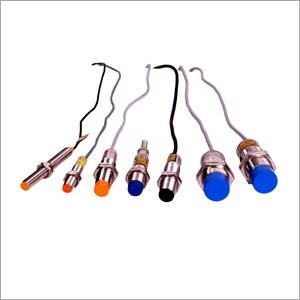
Tell us about your requirement

Price:
Quantity
Select Unit
- 50
- 100
- 200
- 250
- 500
- 1000+
Additional detail
Mobile number
Email

More Products in Industrial Sensors Category
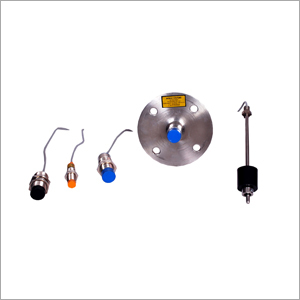
Temperature Sensors
Minimum Order Quantity : 100 Pieces
Weight : 50300 Grams (g)
Product Type : Sensors
Usage : Temperature Measuring
Voltage : 110220 Volt (v)
Material : Stainless Steel
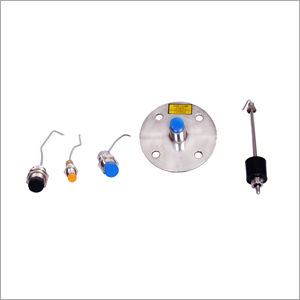
Fork Sensors
Minimum Order Quantity : 100 Pieces
Weight : 50200 Grams (g)
Product Type : Sensors
Usage : Metal Sensing
Voltage : 10 to 30 V DC Volt (v)
Material : Brass
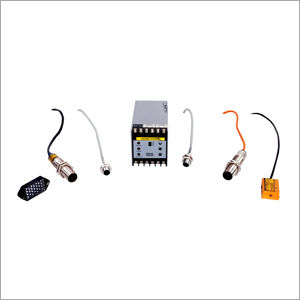
Electronic Sensors
Minimum Order Quantity : 100 Pieces
Weight : 50300 Grams (g)
Product Type : Sensors
Usage : Metal Sensing
Voltage : 110220 Volt (v)
Material : High Durability Plastic and Metal
RTD Sensors
Minimum Order Quantity : 100 Pieces
Weight : 120 g
Product Type : Sensors
Usage : Temperature Measuring
Voltage : 110220 Volt (v)
Material : Plastic

Contact Details
AKSHAY SYSTEMS
GST : 27AHNPR5613G1Z2
- 1st Floor, Devidas Niwas, Saptashrungi Hsg. Soc., Rupeenagar, Talwade, Pune - 411062, Maharashtra, India
- Phone :07971459152
 Send Inquiry
Developed and Managed by Infocom Network Private Limited.
